Full Body Skin Check: Your Full Overview To Expert Skin Cancer Cells Progressed Dermatology And Aesthetic Medicine
Pdf Js Customer If you think you have cancer malignancy, or if you have found a suspicious place, sore, or mole on your skin, it's important to see a board-certified dermatologic specialist asap. If you do not have any kind of dubious moles, spots, or lesions, it's still recommended that you see a dermatologist every year while carrying out monthly, in your home skin checks. Early discovery allows for less complex, much less intrusive therapy and much better end results. That's why skin doctors worry the importance of regular monthly self-exams and yearly specialist skin checks. Book a skin cancer testing with your skin doctor right away. If you go to high risk for skin cancer cells, see a skin specialist at the very least yearly for routine screening and tracking. At the consultation, the dermatologist will examine your skin head to toe with a tool called a dermatoscope. The crisp dermatoscope photos capture subtle changes in skin sores with time so we can identify cancerous sores in their beginning. Also if you haven't previously obtained a skin cancer cells medical diagnosis, these checks are critically important for clients with a background of tanning bed usage, blistering sunburns, or a high variety of moles. If you have 50+ moles on your body, you go to a greater threat of unnoticed cancer malignancy.
How do I know if a skin lesion is cancer cells?
A sore that does not recover after a couple of weeks, or one that seems to recover and after that returns. It may bleed, exude or crust over. A patch of skin that''s a various shade and becomes darker or adjustments color. A flat pink/red or brown-colored patch or bump that might appear like a mark.
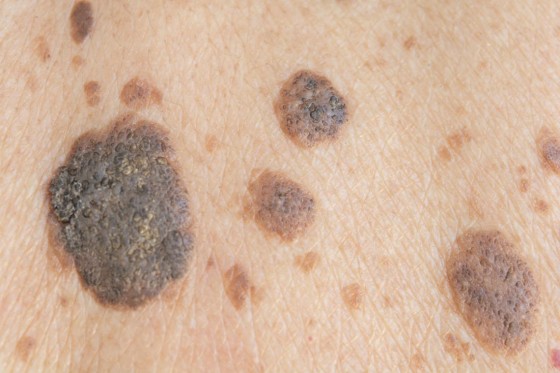
Exactly How Doctors Review Skin Lesions
- For average-risk adults without individual or household background of skin cancer cells, several dermatologists recommend screening every one to 2 years.
- If you discover any type of change in your skin, nevertheless little it may be, contact your medical professional right away.
- These research studies aid our researchers improve diagnostic methods, develop better therapies, and work together with other researchers.
What Takes Place Throughout A Skin Cancer Screening?
If you're keeping an eye on a certain place, take a picture on your phone. Then, if you discover your area has changed, arrange a visit before your annual check. If we locate a lesion we believe of skin cancer cells, we'll recommend a same-day skin biopsy. We'll numb the location, get rid of the lesion, and send it to the pathologist for analysis. Related to actinic keratosis, actinic cheilitis is a precancerous problem that usually shows up on the reduced lips. Flaky spots or persistent roughness of the lips may be present. Much less common signs consist of swelling of the lip, loss of the sharp boundary in between the lip and skin, and popular lip lines. Actinic cheilitis might advance into intrusive squamous cell cancer otherwise treated. Although the skin might really feel different and may itch, mud, or hemorrhage, this sort of cancer cells usually does not trigger discomfort. If you observe anything unusual or worrying, don't wait to speak with your physician that can assist identify cancer early.